

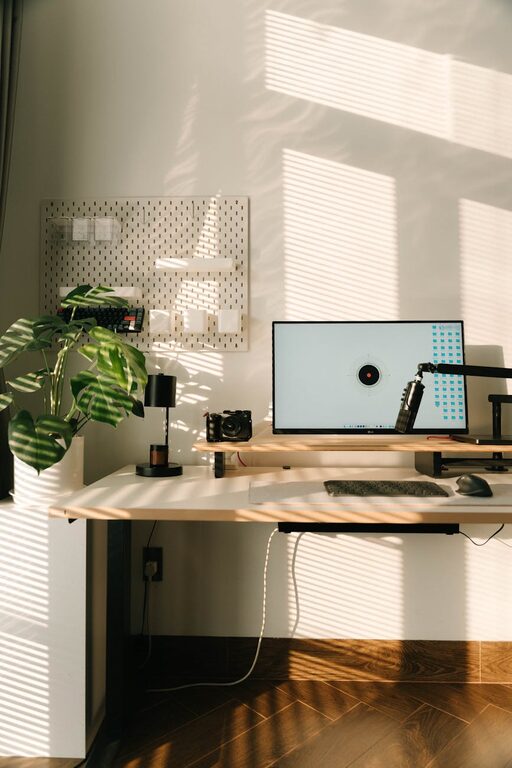
Creating a cozy and functional home office space is essential for maintaining productivity and comfort throughout your workday. Whether you work from home full-time, study, or need a quiet corner for your projects, a well-designed office can make a significant difference. Here are some practical tips to help you create a space that is both inviting and efficient.
1. Choose the Right Location
Start by finding the ideal spot in your home for your office. Consider areas with minimal distractions and sufficient natural light. If possible, select a quiet corner, away from the main traffic flow of the household. A window nearby can boost your mood and reduce eye strain.
2. Invest in Comfortable Seating
A comfortable chair is key to a good home office setup. Choose an ergonomic chair that supports your back and encourages good posture, especially if you spend long hours working. Adjustable height and lumbar support are beneficial features to look for.
3. Opt for a Functional Desk
Your desk should fit your space and meet your needs. If you use multiple devices, select a desk with enough surface area to keep everything organized. Consider options with built-in storage or cable management systems to reduce clutter.
4. Utilize Effective Lighting
Good lighting helps reduce eye fatigue and keeps you alert. Combine natural light with artificial sources such as desk lamps or floor lamps. Adjustable lighting allows you to control brightness depending on the time of day or your task.
5. Organize with Storage Solutions
Keeping your workspace tidy promotes focus and reduces stress. Use shelves, drawers, and organizers to store supplies, documents, and books neatly. Labeling boxes or files makes it easier to find items quickly.
6. Personalize Your Space
Adding personal touches can make your office cozy and welcoming. Use artwork, plants, or decorative items that inspire you. However, avoid over-decorating to maintain a professional and distraction-free environment.
7. Manage Noise Levels
If noise is an issue, try soundproofing options like rugs, curtains, or acoustic panels. White noise machines or noise-cancelling headphones can also help maintain concentration.
8. Prioritize Cable Management
Tangled cords can clutter your desk and workspace. Use cable organizers, clips, or trays to keep wires neat and out of the way. This not only improves aesthetics but also enhances safety.
9. Incorporate Technology Thoughtfully
Select technology that supports your work efficiently. Ensure your computer, printer, and other devices are positioned ergonomically, so you can reach them with ease. Regularly update software and maintain devices for smooth operation.
10. Create a Routine and Use the Space Wisely
Once your home office is set up, establish a daily routine to separate work time from personal time. Keeping a consistent schedule helps maintain productivity and work-life balance.
—
By thoughtfully designing your home office with comfort and functionality in mind, you can create a space that fosters focus and creativity. Remember, a well-organized and inviting workspace is a valuable investment in your daily well-being and professional success.